
Comprehension: Reading, Thinking, and Understanding
Comprehension is the reason we read. Comprehension means learners understand what they hear, read, discuss, and retell. It helps children think about ideas, ask questions, solve problems, and explain what they know.
At Literacy Blooms, comprehension is connected to Fun Facts, critical thinking, and problem solving. When learners wonder, question, discuss, and retell, they are building strong thinking skills for reading and lifelong learning.

Why Comprehension Matters
Comprehension helps learners:
Understand stories, facts, and information
Ask and answer questions
Retell what happened
Explain ideas in their own words
Make connections to real life
Think critically
Solve problems
Share thoughts and ideas with others
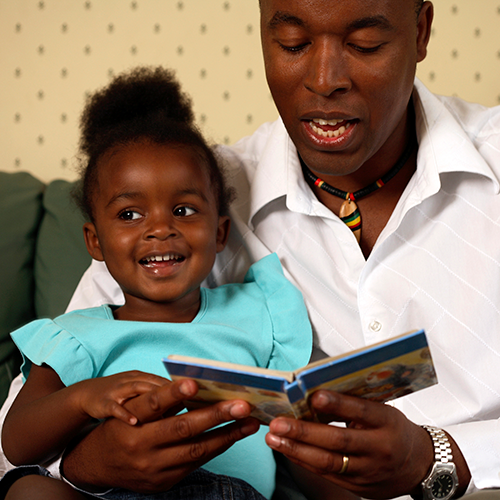
Comprehension grows when families read together, talk together, ask questions, and give learners time to think.
Family Learning Action: Read, Discuss, and Retell Fun Facts
Fun Facts are a joyful way to build comprehension. They invite learners to wonder, think, ask questions, and explain ideas.
Begin with a simple question such as:
“I wonder why zippers have teeth?”
“Why are bears called teddies?”
“How can you fit 1,000 books in your pocket?”
These questions spark curiosity. They help learners understand that reading is not just saying words. Reading is thinking.
Step 1: Read the Fun Fact
Read a short Fun Fact aloud.
Use an excited voice. Pause for thinking. Let your learner hear that information can be interesting, surprising, and fun.
Say:
“Listen carefully. We are going to learn something new.”
Step 2: Ask “I Wonder” Questions
Invite your learner to think before giving an answer.
Ask:
“What do you wonder?”
“What do you think?”
“Why do you think that?”
“How could that happen?”
“What clue helped you?”
Wondering builds critical thinking
Step 3: Discuss the Meaning
Talk about the Fun Fact together.
Say:
“Let’s talk about what this means.”
“What did we learn?”
“What surprised you?”
“What part was funny or interesting?”
“What does this remind you of?”
Discussion helps learners organize their thoughts and use language to explain ideas.
Step 4: Retell the Fun Fact
Ask your learner to retell the Fun Fact in their own words.
Say:
“Tell me what you learned.”
“Can you say it another way?”
“What happened first?”
“What did we find out?”
“How would you explain this to someone else?”
Retelling strengthens comprehension, memory, vocabulary, speaking, and confidence.
Step 5: Draw or Write the Idea
Invite your learner to draw or write about the Fun Fact.
Say:
“Draw what you learned.”
“Write or trace one word from the Fun Fact.”
“Tell me about your picture.”
“What should we label in your drawing?”
This connects comprehension with writing, vocabulary, art, and oral language.
Fun Fact Learning Examples
Fun Fact Question 1: I Wonder Why Zippers Have Teeth?
Ask:
“What do you notice about a zipper?”
“Why do you think the small parts are called teeth?”
“What happens when the zipper teeth come together?”
“What problem does a zipper solve?”
Parent explanation:
“Zippers have small parts called teeth because they fit together like tiny pieces. When the zipper moves, the teeth connect and help close clothes, bags, and coats.”
Learner action:
Let the learner look at a zipper, zip it up and down, draw a zipper, and explain how it works.
Fun Fact Question 2: Why Are Bears Called Teddies?
Ask:
“What is a teddy bear?”
“Have you ever held a teddy bear?”
“Why do you think people call it a teddy?”
“What makes teddy bears special?”
Parent explanation:
“A teddy bear is a soft toy bear. The name teddy became popular because of a story connected to President Theodore Roosevelt, whose nickname was Teddy.”
Learner action:
Ask the learner to retell why the toy bear is called a teddy bear. Invite the learner to draw or describe their own teddy bear.

Fluency

Vocabulary

Alphabetics

Bookmarks
Literacy Blooms where Brainy Acts play.
Brainy Acts: Literacy Bloom Podcast
Brainy Acts: Literacy Blooms Podcast is a fun and insightful podcast designed to support early childhood literacy and learning.